How do i become a Clinical Perfusion Scientist?

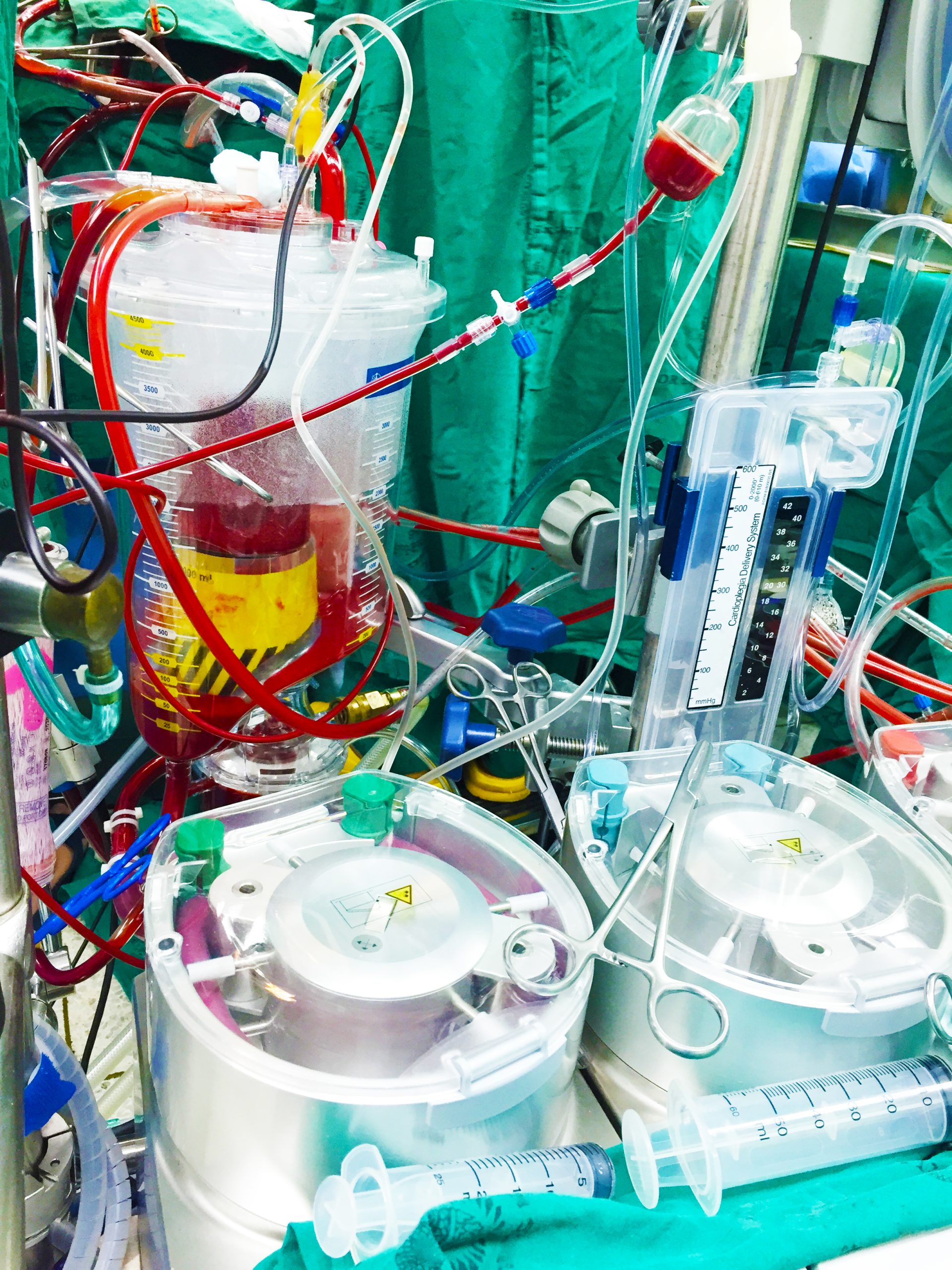
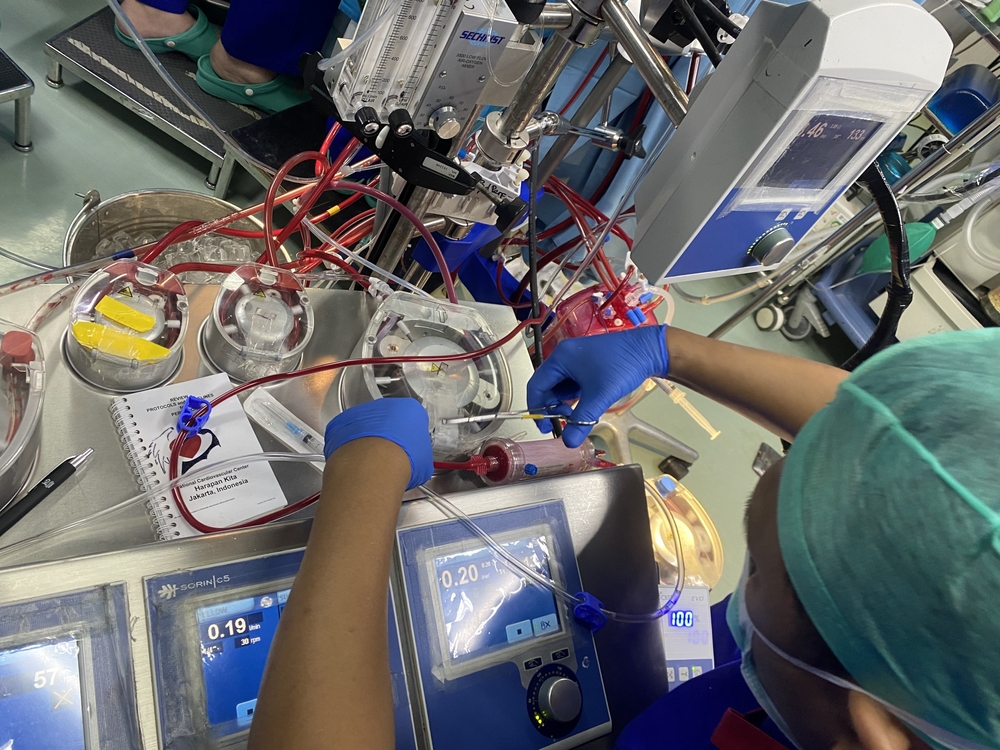
A Clinical Perfusionist is a highly specialised healthcare professional who plays a critical role during open-heart surgery. They operate and manage the heart-lung machine, which temporarily replaces the function of the heart and lungs, ensuring that blood continues to circulate and remain oxygenated while the heart is intentionally stopped. This allows surgeons to perform complex cardiac procedures safely, with the perfusionist responsible for maintaining the patient’s vital functions throughout the operation.

There are a number of entry routes to becoming a Clinical Perfusion Scientist:

  • Secure a trainee position in a College of Clinical Perfusion Scientists of Great Britain and Ireland accredited training hospitals.
  • MSc Perfusion Science course at the University of Bristol

For further details on training and education to become a Perfusionist, please visit The Society of Clinical Perfusion Scientists website.

Your role in the HSE

You must be registered with the College of Clinical Perfusion Scientists of Great Britain and Ireland (CCPS) and renew your registration every three years by demonstrating ongoing clinical and academic activity.

Perfusion Science is a highly specialised profession requiring an in depth understanding of human physiology, strong technical expertise, and the ability to remain calm under pressure.

Perfusionists work across a range of clinical settings, including operating theatres, specialised catheterisation laboratories, and ECMO services, providing expert support during complex cardiac procedures and managing advanced life support technologies.

The role involves long and sometimes unpredictable hours, particularly during emergencies, but is highly rewarding. Perfusionists work closely with surgeons, anaesthetists, clinical engineers, and nursing teams to deliver the highest standard of patient care.

Career Progression

The career structure within Perfusion currently consists of two grades:

  • Perfusionist
  • Senior Perfusionist

Following the acquisition of experience, advanced clinical expertise, and additional responsibilities, Perfusionists may have the opportunity to progress to the grade of Senior Perfusionist.


Further Training and Development

The HSCP Office is responsible for Leadership, Education and Continuing Professional Development of HSCPs working in the HSE.

HSELAND is the HSE portal which offers an array of training & development opportunities delivered either online or in a classroom style setting. Information on Education and Development can be accessed by visiting the HSCP Hub on www.hseland.ie.

Other examples of professional development activities include access to excellent HSE library services, further training and educational opportunities, attendance at conferences, webinars and workshops, engaging in mentoring and supervision, keeping up with the latest information about the profession through specialised newsletters, blogs, and podcasts.

Staff Benefits & Testimonials

Working in a rewarding and challenging career is just one of the many benefits you’ll enjoy as a HSE employee. We offer attractive pay and benefits, professional supervision, career support and development opportunities, friendly colleagues, and an excellent quality of life.

See Pay scales – HSE Staff

Testimonials- Coming Soon


To ensure that you are informed of all vacancies please register on the HSE Career Hub for weekly job alerts.